
There’s something about the clatter of coins and the whir of reels that cuts through the noise of modern gaming. In a world of VR experiences and multi-level bonus rounds, plenty of punters still crave the straightforward thrill of classic slots. You see it at the pokies in your local RSL, where a row of retirees quietly feed notes into a Golden Egypt machine, or at the Crown in Melbourne, where a midweek player passes on the digital screens to find a three-reel relic. It’s a simple equation: three symbols across the payline, and you’re done. No cascading reels, no buy-in features. Just the raw, honest gamble that made these machines a staple of Australian pubs and clubs since the 1950s.
The beauty of these games is that they don’t try to sell you a story. They don’t need a cast of characters or a fantasy kingdom. They offer cherries, sevens, and bells – icons so deeply embedded in gambling culture that a single spin can trigger a memory from your first trip to a casino. Classic slots are the quiet achievers of the floor. While the high-volatility video slots scream for attention with flashing lights and soundtracks, the classics sit there, reliable as a cold stubby on a hot January arvo.
That reliability extends to the online world too. As Australian players navigate the tricky waters of local legislation and offshore platforms, the demand for simple, retro-style reel games has held steady. Software developers now pump out digital versions that mimic the old mechanical feel – right down to the lever animation and the physical click of the handle. It’s nostalgia dressed up in HTML5, and it connects generations of gamblers from Sydney to Fremantle.
What many don’t realise is that the appeal isn’t just aesthetic. Classic slots typically offer tighter volatility and simpler math models, which suits players who want to stretch their bankroll over a longer session. On a Friday night in Brisbane, you’ll see it in action: blokes in polo shirts standing at a cluster of classic machines, nursing a middy and talking footy, spinning slowly without the frantic pace of a bonus-hunting punter. There’s a rhythm to it – a calm, almost meditative ritual that modern slots simply can’t replicate.
Why Aussies Still Flock to the Reel Simple Things
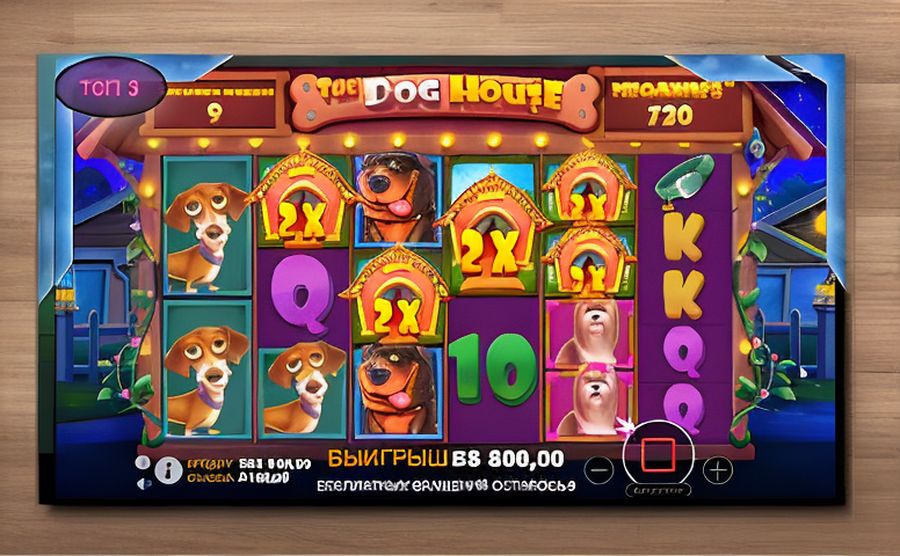
The Australian gambling market has a distinct personality. We’re a nation that loves a punt but hates being sold a line. That straight-talking attitude dovetails perfectly with classic slots. These games don’t pretend to offer life-changing jackpots every five minutes. They’re honest machines that pay out at a steady clip, with no hidden tricks or complex rules. For players in Adelaide or the Gold Coast, it’s the difference between ordering a parma at the local and dining at a degustation restaurant – sometimes you just want what you know works.
Regulation plays a part too. Under the Interactive Gambling Act 2001, Australian-licensed online casinos are restricted in what they can offer. This has pushed many players towards offshore operators that host a broader selection of classic-style reel games. The result is a patchwork market where savvy punters know exactly where to click. For a trustworthy entry point, many players use a 21 bit casino login to access a solid library of retro-slot titles with transparent RTP rates and no geo-blocking nonsense.
Another piece of local reality: cruise-ship casinos typically must close while docked in port due to local laws. That means if you’re on a P&O cruise from Sydney to the Pacific, your chance to spin the classics happens only when the ship is in international waters. It’s a quirky rule that heightens the experience – a short window of play on a classic slot becomes a holiday ritual, not an all-night session. The same principle applies to the online space: timing and access matter.
The Mechanics That Haven’t Changed in Eighty Years
At its core, a classic slot machine runs on a random number generator that aligns symbols across three or five reels. That’s it. No second-screen bonuses, no gamble features, no progressive jackpot tickers. The original fruit machines, which first appeared in Australian clubs after World War II, operated on a simple mechanical system of springs and gears. Today’s digital versions simulate that exact feel, with symbols like oranges, plums, and bars that trace their lineage back to the early 20th century.
What’s often forgotten is that the original machines used chewing gum as prizes – hence the fruit symbols. Lemons and cherries weren’t just aesthetic choices; they represented flavour options for the gum dispensed as winnings. That history adds a layer of texture every time a player lines up three oranges on a screen. It’s a direct link to a time when gambling was something you did at the corner store, not in a massive glass tower overlooking the Yarra River.
The mathematical profile is equally straightforward. Classic slots usually feature a fixed number of paylines – often just one or three – and a single coin denomination. This transparency means players can calculate their expected loss per hour within a few spins. Modern slots hide their volatility behind scatter pays, wild multipliers, and free-spin rounds that muddy the math. A purist at the Star in Sydney will tell you: the classic slot is the only game where you truly know what you’re getting into.
Liar’s Dice, Pub Games, and the Bluffing Connection
There’s a curious parallel between classic slots and the old pub game of Liar’s dice. Both rely on a combination of luck and reading the room. Liar’s dice combines dice with bluffing, where players call out how many of a certain number they believe have been rolled, all while trying to outsmart their mates around a table in a Fitzroy boozer. A solid Liar’s dice player knows when to push their luck and when to fold – exactly the same decision-making that governs a seasoned slot spinner.
You see it in the way a veteran holds down the spin button, waiting for a specific feel before speeding up or slowing down. It’s a bluff against the machine, an intuition that the next spin will hit. Thomas Lewis, Risk and Integrity Manager at Laneway Interactive Media, puts it plainly: “The best players treat a classic slot like a conversation with the RNG. They develop a rhythm, a pattern of play that respects the machine’s randomness without trying to beat it. That’s the difference between a punter and a gambler.”
That quote cuts to the heart of why these games endure. They demand a kind of presence that modern slots, with their auto-play features and turbo spins, actively discourage. A classic slot forces you to wait, to watch each reel stop one by one. It’s a slow burn that builds anticipation – the same tension that exists in a hand of Liar’s dice when you’re the last one to reveal your cup.
Classic Slots Online vs The Floor Experience
The shift to online play has altered how Australians engage with classic slots. In a physical venue, the tactile feedback of a button press and the sound of coins hitting a tray are part of the ritual. Online versions strip that away, but they add convenience and variety. You can play a three-reel classic at 2 a.m.in your trackies, with no dress code, no queue for the bar, and no smoke from the bistro.
But there’s a trade-off. The social element of the casino floor – the chat with the attendant, the shared groan when someone misses a cherry by one position – doesn’t translate to a browser tab. To bridge that gap, many online operators now include live chat rooms and community jackpots that mimic the camaraderie of a real room. It’s not the same, but it’s close enough for most.
A crucial difference is the pace. Online classic slots spin faster than their land-based cousins, which can eat through a bankroll in minutes if you’re not careful. Seasoned players recommend treating an online session like a cruise-ship casino session – set a strict time limit and stick to it. That discipline is easier when the game itself is simple, with no bonus rounds to lure you into extended play. The classic slot, online or off, rewards the player who respects its tempo.
The Quiet Rise of Retro-Themed Platforms
A handful of operators have built their entire offering around the classic slot aesthetic. These sites avoid the flashy promos and high-volatility releases that dominate the market. Instead, they curate libraries of vintage-style games from developers like IGT, Aristocrat, and Novomatic, the same names that supplied machines to Australian pubs for decades. The marketing is minimal: a clean lobby, a list of games sorted by theme, and a prominent display of RTP percentages.
For players who value simplicity, these platforms are a godsend. You won’t find a hundred variations of dragon-themed slots or multiplayer poker tournaments. You will find a solid selection of fruit machines, bar symbols, and the occasional joker wild. The user interface is designed to fade into the letsdosimple.com background, letting the reels speak for themselves. It’s a refreshing change in an industry that often buries the actual game beneath layers of loyalty programs and pop-up offers.
Local news coverage of this trend has been sparse, but reports from sources like WA Today have noted the growing popularity of “heritage gaming” as a niche within the wider online casino sector. The article highlighted that players in Perth, in particular, are gravitating towards platforms that prioritise traditional mechanics over flashy features. It’s a signal that the market is maturing, with punters increasingly knowing exactly what they want.
Risk Management and the Long View
The simplicity of classic slots actually makes them easier to audit for fairness. With fewer moving parts, the RNG testing is more straightforward, and the payout structures are transparent. Thomas Lewis adds: “From a risk perspective, classic slots are cleaner. The compliance checks are simpler because there are fewer variables. That doesn’t mean they’re immune to exploitation, but they present a lower regulatory burden for operators who prioritise integrity.”
That transparency benefits players too. You can quickly confirm the theoretical return of a classic slot by counting the symbols on the reels and the paytable – no need to decipher complex bonus multipliers or cascading reels. For the Australian market, where trust in offshore operators can be thin, that clarity is a competitive advantage. Operators who stock a strong lineup of classic slots often see higher retention rates among casual players who just want a straightforward gamble.
How the Leaders Stack Up
When comparing platforms for classic slot offerings, three names consistently emerge in the Australian discussion. The table below lays out the key differences for punters making a choice.
| Operator | Classic Slot Library | RTP Range | Deposit Methods for AUD | Licence Jurisdiction |
|---|---|---|---|---|
| Joe Fortune | 35+ titles including Aristocrat and IGT classics | 95-98% | POLi, Visa, Crypto | Curacao |
| 21Bit Casino | 50+ vintage-style slots with search filters | 94-97% | Crypto, Bank Transfer | Curacao |
| Fair Go Casino | 20+ retro fruit machines, some exclusive | 95-97% | Credit Card, Neosurf | Curacao |
Joe Fortune stands out for its high RTP ceiling and the inclusion of classic Aristocrat titles that many Australian players grew up with in clubs. Fair Go offers exclusivity, while 21Bit provides breadth. The decision comes down to whether you value range or reliability of a specific developer.
Grab a Seat and Spin
You’ve read the breakdown, seen the numbers, and know the culture. The next step is to put it into practice. Classic slots aren’t going anywhere – they’re the backbone of the Australian gambling scene, from the suburban pub to the digital lobby. Whether you’re a veteran who remembers the feel of a mechanical lever or a newcomer curious about what the fuss is about, the door is open. Find a platform that values the old-school approach, load up a few credits, and let the reels do the talking. The simplicity is the point.
